
What Central Texas Homeowners Should Know Before Buying an Older Home in Waco
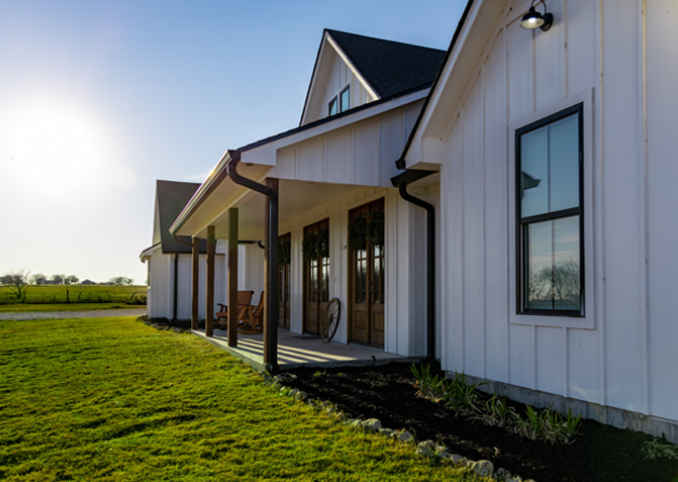
There’s a particular kind of charm to Waco’s older neighborhoods that new construction just can’t replicate. Wide front porches, mature pecan and oak trees providing real shade in the summer, thick plaster walls, original hardwood floors, and a sense of character that a lot of buyers are actively searching for these days. Areas like Sanger Heights, the Cottonwood neighborhood near Baylor, parts of Woodway with older ranch style homes, and the pockets of restored craftsman and Victorian homes closer to downtown all carry that appeal.
But older homes come with a different set of questions than a house built in the last decade, and a lot of buyers fall in love with the character before they’ve fully thought through what that character is sitting on top of. I wanted to put together a genuinely thorough guide covering what to actually look for, what tends to surprise first time older home buyers here specifically, and how to walk into the process with realistic expectations instead of a rude awakening six months after closing.
Why Older Homes in Waco Come With a Different Risk Profile
Central Texas has a combination of factors that make aging homes here a bit trickier than in some other parts of the country. The clay heavy soil common throughout McLennan County expands and contracts significantly with moisture changes, which puts real stress on foundations over decades. Add in hot, humid summers, mild winters, and periods of heavy rain followed by drought, and you’ve got conditions that accelerate wear on certain building materials faster than in drier or more temperate climates. None of this means an older Waco home is a bad investment. It just means the due diligence process needs to be more thorough than simply falling for the crown molding and original windows.
Foundation Issues Are the Big One
If there’s a single area where older Waco homes deserve the most scrutiny, it’s the foundation. That expansive clay soil throughout the region causes slabs and pier and beam foundations alike to shift over time, sometimes subtly and sometimes in ways that become very visible.
What to look for during a walkthrough:
- Cracks in interior walls, particularly ones that run diagonally from door and window corners
- Doors and windows that stick, don’t close evenly, or have visible gaps
- Uneven or sloping floors, which you can sometimes feel just by walking slowly through each room
- Cracks in exterior brick or the foundation itself, especially stair step patterns in brick veneer
- Gaps between the foundation and the base of exterior walls
A foundation repair isn’t automatically a deal breaker. Plenty of older homes here have had foundation work done at some point, and a professionally repaired foundation with a transferable warranty can actually be a point of reassurance rather than a red flag. What matters is getting a structural engineer’s evaluation, not just a general home inspector’s opinion, if you see any of these signs. A structural engineer can tell you whether movement is old and stabilized or ongoing and worsening, which changes the entire calculation on whether to move forward and at what price.
Plumbing That’s Older Than You’d Expect
Homes built before the 1970s in this area sometimes still have original galvanized steel or, in some cases, older clay sewer lines that have never been replaced. Galvanized pipes corrode from the inside over decades, gradually restricting water flow even when everything looks fine on the surface, and clay sewer lines are prone to root intrusion from the same mature trees that make these neighborhoods so appealing in the first place.
Ask directly whether the home has had a sewer line camera inspection, and if it hasn’t, seriously consider paying for one yourself before closing. It typically costs a few hundred dollars and can save you from a five figure surprise a year or two after moving in. Also ask about the water heater’s age, whether any repiping has been done, and if the home still has its original main water line coming in from the street.
See also: Will Governments Ban Crypto?
Electrical Systems Built for a Different Era
A lot of older Waco homes still have portions of their original electrical systems, and depending on the era, that can mean knob and tube wiring, aluminum wiring from certain decades, or simply a panel that was never upgraded to handle the electrical load of modern life with air conditioning, multiple televisions, computers, and everything else plugged in at once.
This matters for two real reasons. First, safety, since older wiring types are associated with higher fire risk and many insurance companies either won’t cover a home with certain wiring types or will charge significantly more for the policy. Second, practicality, since an outdated panel may not support the electrical demands of modern appliances or a future addition without an upgrade.
Ask for the age of the electrical panel and whether any rewiring has been done, and if the inspection turns up aluminum wiring or anything older, get a licensed electrician’s opinion on what it would cost to address before you finalize your offer.
Roofing, HVAC, and the Systems That Wear Out Quietly
Roofs in Central Texas take a beating between intense summer sun, occasional hail, and heavy spring storms. Ask for the roof’s age and any documentation of repairs or replacement, and pay attention during the inspection to signs of previous leaks in the attic, since water stains on rafters or sheathing can indicate a problem that’s been patched cosmetically rather than actually resolved.
HVAC systems have a similar story. Central Texas summers put a lot of strain on air conditioning units, and a system nearing the end of its typical lifespan can mean a replacement cost in the thousands not too far down the road. Ask when the system was last serviced and how old the unit is, and factor a potential replacement into your overall budget if it’s already past the ten to fifteen year mark that’s typical for most residential systems in this climate.
Pest and Termite History Deserves a Real Conversation
This is an area that’s easy to overlook when you’re focused on foundation cracks and electrical panels, but it deserves just as much attention, particularly here in Central Texas. Subterranean termites are common throughout the region given the warm, humid climate and clay soil, and they can cause significant structural damage to wood framing well before it becomes visible to an untrained eye.
Older homes are more susceptible for a few reasons. Original wood framing has had decades of exposure, past moisture issues may have gone unaddressed at some point in the home’s history, and previous termite treatments, if they exist, may be outdated or no longer under an active warranty. Ask the seller directly whether the home has ever had a termite treatment, and request documentation if so, including whether any warranty or service contract transfers to a new owner.
A standard home inspection typically doesn’t include a dedicated termite inspection, which is a separate service known as a wood destroying insect inspection in most of Texas. It’s absolutely worth requesting this specifically, since a licensed pest inspector will look for mud tubes along the foundation, damaged or hollow sounding wood, and other signs a general home inspector might not be specifically trained to catch. Beyond termites, ask about any history of rodent activity, since older homes with gaps around foundations, crawl spaces, or attic vents are more prone to this, and repeated rodent presence can mean chewed wiring or insulation that adds to the list of repairs.
If an inspection does turn up active termite activity or past damage, this doesn’t automatically mean walking away. It does mean getting a clear scope of the damage from a licensed pest control professional, understanding whether the damage is cosmetic or structural, and negotiating either a price adjustment or requiring treatment and repair as a condition of the sale before closing.
Lead Paint, Asbestos, and Other Era Specific Materials
Homes built before 1978 may contain lead based paint, and homes built before the 1980s in some cases used asbestos in insulation, floor tiles, or popcorn ceilings. Neither of these is necessarily dangerous if left undisturbed and in good condition, but they become a real concern during any renovation work that disturbs those materials. If you’re planning to update an older home, particularly anything involving demolition, sanding, or removing flooring, it’s worth having these materials tested first so you know what you’re working with and what safety precautions or specialized disposal a contractor will need to follow.
Windows, Insulation, and Energy Efficiency
Original windows are one of the most charming features of an older home and also one of the biggest sources of energy loss. Single pane windows, while beautiful, don’t insulate anywhere near as well as modern double pane options, and combined with older or insufficient attic insulation, this can mean noticeably higher cooling costs during a Central Texas summer. This isn’t necessarily a reason to walk away, but it’s worth factoring into your long term budget, whether that means planning for storm windows, added insulation, or eventually replacing windows in a way that preserves the home’s character while improving efficiency.
Questions Worth Asking Before You Make an Offer
- How old is the roof, and has it ever been replaced or repaired?
- What’s the age and condition of the HVAC system?
- Has the home had any foundation work done, and if so, is there a transferable warranty?
- Has there been a sewer line inspection, and what type of pipe material is currently in place?
- Is there any history of termite treatment or damage, and is documentation available?
- What type of electrical wiring is present, and has the panel been updated?
- Are there any known issues with lead paint or asbestos containing materials?
- How old are the windows, and has insulation been updated at any point?
Building a Realistic Budget Beyond the Purchase Price
It’s easy to focus entirely on the sale price and monthly mortgage payment, but older homes typically come with a deferred maintenance factor that newer construction doesn’t carry in the same way. A reasonable approach is setting aside a maintenance reserve, often recommended at somewhere between one and three percent of the home’s value annually, specifically for the kind of surprises that come with an aging structure. This isn’t meant to scare you off older homes. It’s meant to help you walk in with your eyes open rather than being financially caught off guard by a foundation repair or a sewer line replacement in year two.
Working With the Right Professionals
A general home inspector is a great starting point, but older Waco homes often benefit from a few specialists layered on top of that general inspection. A structural engineer for any foundation concerns, a licensed pest control professional for a dedicated termite and pest inspection, a plumber for a sewer line camera inspection, and an electrician if the wiring type raises any questions. Yes, this adds a bit to your due diligence costs and timeline, but compared to the alternative of discovering a serious issue after closing, it’s a genuinely small price for real peace of mind.
The Bottom Line
Buying an older home in Waco means buying into character, history, and a level of craftsmanship that’s genuinely hard to find in newer construction. It also means doing your homework a bit more carefully than a standard newer home purchase would require, particularly around foundations, plumbing, electrical systems, and pest history given the specific conditions Central Texas presents. None of these considerations should scare a serious buyer away. They’re simply part of buying smart in a region where the soil, climate, and building eras all interact in ways that are worth understanding before you sign anything. Go in informed, ask the right questions, bring in the right specialists, and that beautiful older home with the wraparound porch can be exactly the good investment it looks like on a Sunday afternoon showing.